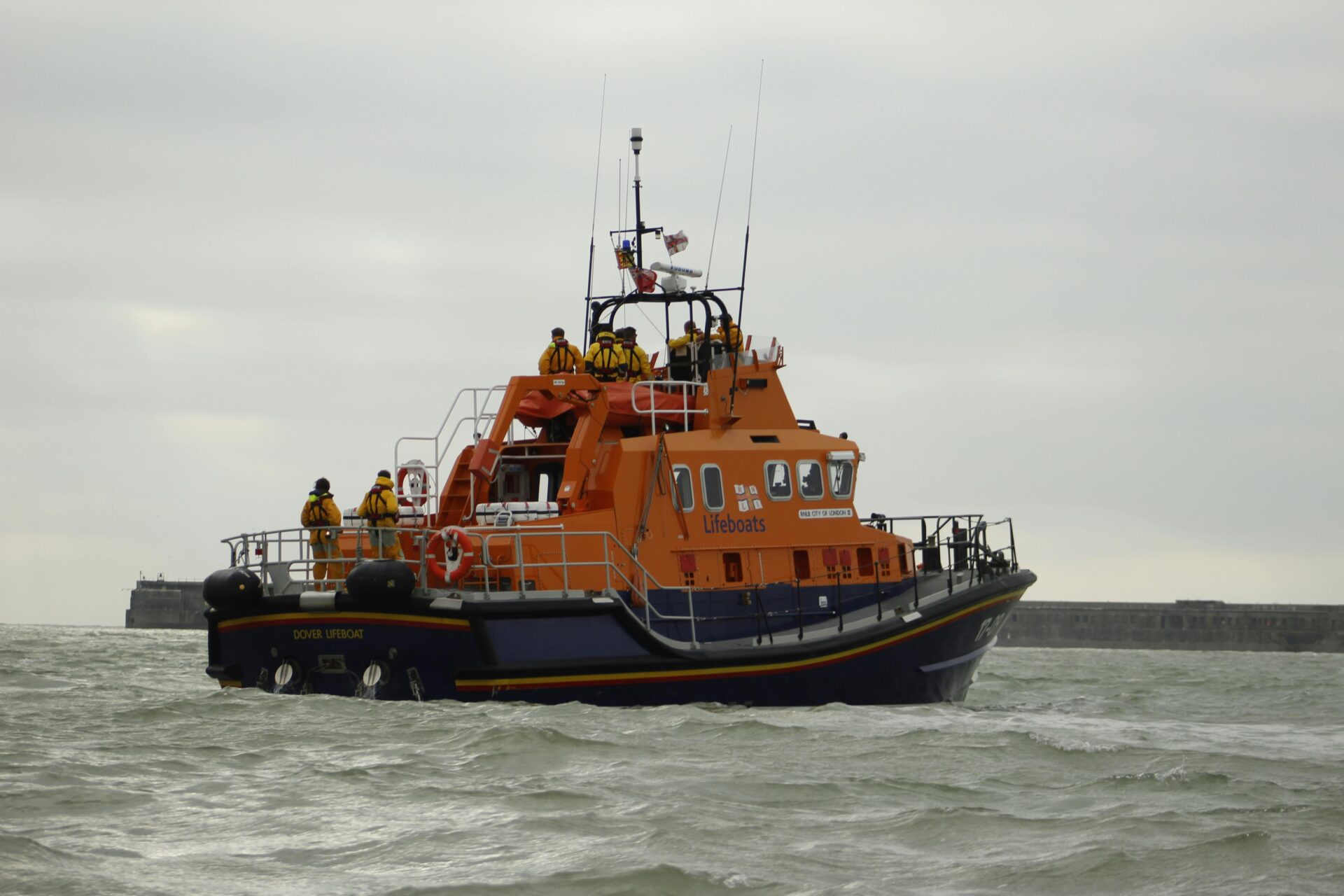
The RNLI has played a vital role in safeguarding lives along the coasts of Durham, Cumberland, and Northumberland, where treacherous seas and strong maritime traditions have shaped communities for centuries. Its presence in these counties reflects both the peril of the North Sea and Irish Sea, and the courage of volunteers who have stood ready to launch lifeboats in all conditions.
Origins and National Context
Founded in 1824 as the National Institution for the Preservation of Life from Shipwreck, the RNLI quickly became a cornerstone of Britain’s coastal safety network. With over 200 years of service, the charity has saved more than 146,000 lives at sea. Its mission was especially critical in the North East and North West, where heavy shipping traffic, fishing fleets, and unpredictable weather made shipwrecks tragically common.
Northumberland: A Lifeboat Legacy
Northumberland’s coastline, stretching from Berwick-upon-Tweed to Tynemouth, has long been a focal point for RNLI activity. Stations such as Seahouses, Amble, and Blyth became renowned for their crews’ bravery. One iconic figure was William Brown of Cresswell, who served for 50 years from 1875, rescuing nearly 100 people. His wife played a key role as a launcher and fundraiser, earning recognition from the RNLI. These stories highlight how lifeboat service was not just about the crews but entire communities rallying behind them.
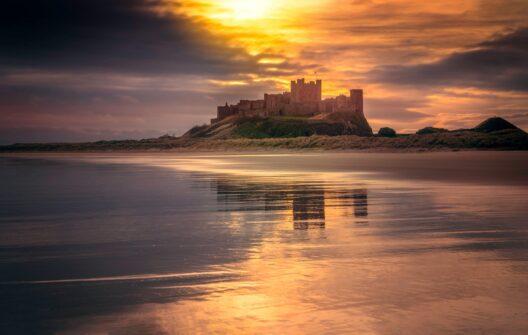
The Bamburgh coast also holds historical significance: even before the RNLI’s formal creation, local men operated rescue boats there in the late 18th century. This tradition of lifesaving was absorbed into the RNLI’s expanding network, ensuring continuity of service in one of Britain’s most hazardous maritime regions.
Durham: Industrial Coastlines and Lifesaving Needs
Though County Durham is often associated with coal mining and inland heritage, its short coastline along the North Sea was historically busy with collier ships and fishing vessels. The RNLI maintained stations to protect this industrial seaboard, where storms and shifting sands posed constant danger. The presence of lifeboats at Seaham and Hartlepool underscored the importance of maritime safety to Durham’s working communities. Here, the RNLI’s role was not only lifesaving but also preserving the livelihoods of families dependent on the sea.
Cumberland: Facing the Irish Sea
On the western side of England, Cumberland (now part of modern Cumbria) faced the equally perilous Irish Sea. Whitehaven and Workington became key RNLI stations, responding to emergencies involving merchant shipping, fishing boats, and later leisure craft. The Irish Sea’s unpredictable squalls demanded robust lifeboats and resilient crews. Cumberland’s RNLI stations were integral to maritime trade routes, ensuring that vessels navigating between Liverpool, Scotland, and Ireland had lifesaving support nearby.
Community and Innovation
Across these counties, the RNLI embodied volunteerism, innovation, and resilience. From early oar-powered lifeboats to today’s high-speed craft, the evolution of technology has been matched by the unwavering dedication of crews. Fundraising events, women’s auxiliaries, and local campaigns ensured that lifeboat stations remained equipped and operational. The RNLI’s work was not confined to rescues; it also promoted water safety education, reducing risks before accidents occurred.
In Durham, Cumberland, and Northumberland, the RNLI’s story is one of communities bound to the sea, where courage and compassion turned peril into protection. These counties remind us that lifesaving is not only about boats and storms, but about people—ordinary volunteers who, for two centuries, have answered the call to save lives.
Here are two key RNLI-related museums you can visit in the North:
🛟 RNLI Grace Darling Museum – Bamburgh, Northumberland
– Location: Radcliffe Road, Bamburgh, NE69 7AE
– Focus: Celebrates the life and heroism of Grace Darling, who famously helped rescue survivors from the wreck of the Forfarshire in 1838.
– Highlights: Personal artifacts, portraits, and the original rescue boat used by Grace and her father.
– Managed by: RNLI
– More info: Visit Northumberland
⚓ Whitby Lifeboat Museum – Whitby, North Yorkshire
– Location: Pier Road, Whitby, YO21 3PU
– Focus: Chronicles Whitby’s lifeboat history and the RNLI’s lifesaving efforts along the Yorkshire coast.
– Highlights: Historic lifeboats, photographs, and memorabilia from Whitby’s maritime past.
– Opening Hours: Typically open Wednesday–Sunday, with seasonal variations
These museums offer a powerful glimpse into the RNLI’s legacy and the bravery of coastal communities. If you’re exploring Northern England’s maritime heritage, both are well worth a visit.