
Here’s a concise historical note for each RNLI lifeboat station across Durham, Cumberland, and Northumberland
Highlighted are founding dates, notable rescues, and unique legacies.
🛟 Durham Stations
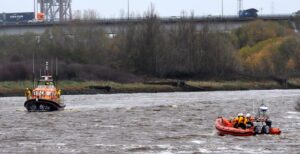
Hartlepool (est. 1803)
One of the oldest RNLI stations on the East Coast, Hartlepool began with locally funded lifeboats. Taken over by the RNLI in 1875, it has operated multiple stations over time. Crews earned 18 medals for gallantry, including a Gold for a 1942 rescue.
Seaham (1856–1979)
Originally founded by the Seaham Fishermen’s Friendly Society, the RNLI took over in 1870. The station served for 124 years before closing due to faster boats at nearby stations. The restored George Elmy lifeboat now resides at the East Durham Heritage Centre.
🛟 Northumberland Stations
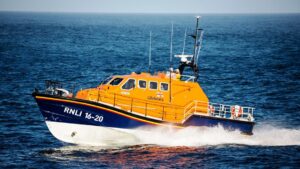
Sunderland (est. 1800)
Among the earliest lifeboat stations in Britain, Sunderland had up to four stations operating simultaneously in the 19th century. The RNLI took over in 1865. Joseph Hodgson, a local carver, received a Silver Medal for saving 27 lives over 12 years.
Newbiggin-by-the-Sea (est. 1851)
Established by the Duke of Northumberland, Newbiggin’s crews earned 10 medals for bravery. It boasts the oldest continuously used RNLI boathouse. Early rescues included dramatic efforts during the wreck of the Embla in 1854.
- Blyth (est. 1826)
First operated by the Newcastle Branch Association, Blyth became an RNLI station in 1866. A tragic 1810 wreck claimed all 34 aboard a lifeboat. The station later pioneered motor lifeboat use with a 1920 boathouse and slipway. - Amble (est. 1842, reest. 1939)
Initially closed in favor of nearby Hauxley, Amble was revived in 1939 after harbour improvements. It now operates Shannon and D-class lifeboats and has received 18 awards for gallantry. - Seahouses (est. 1827)
Originally managed by Lord Crewe’s trustees, Seahouses was absorbed by the RNLI in 1852. It played a supporting role in the famous 1838 Forfarshire rescue by Grace Darling, whose heroism overshadowed the Seahouses crew’s own efforts. - Berwick-upon-Tweed (est. 1835)
Located at Tweedmouth, Berwick’s crews have earned nine gallantry awards. Early rescues included dramatic saves from the schooners Cupido and Margaret in the 1830s. It now operates two inshore lifeboats.
🛟 Cumberland Stations
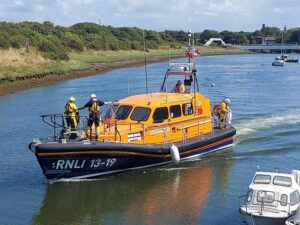
Whitehaven & Workington
Though not detailed in the map, these stations served the Irish Sea coast of historic Cumberland. Whitehaven’s lifeboat history dates to the 19th century, supporting coal and cargo vessels. Workington remains active, with a strong record of rescues in rough western waters.
RNLI station across Durham, Cumberland, and Northumberland, medal counts, vessel types, and compelling crew stories that bring their legacy to life:
🛟 Durham Stations
– Hartlepool
– Medals: 18 for gallantry, including a Gold in 1942
– Vessels: Currently operates a B-class Atlantic 85 inshore lifeboat
– Crew Story: In 1942, Coxswain Thomas King led a daring rescue of 24 crew from the SS Pandora, battling gale-force winds and heavy seas. His Gold Medal remains one of the RNLI’s highest honors.
– Seaham
– Medals: 5 RNLI medals before closure
– Vessels: Operated pulling and sailing lifeboats, later motorized
– Crew Story: The George Elmy tragedy in 1962, where a lifeboat capsized returning from a rescue, claimed nine lives. The restored vessel now serves as a memorial and museum centerpiece.
🛟 Northumberland Stations
– Sunderland
– Medals: Over 20 medals awarded
– Vessels: Currently operates an Atlantic 85 and D-class lifeboat
– Crew Story: In 1969, the crew rescued 13 people from the coaster North Sands in hurricane-force winds. Coxswain George Wright received the Silver Medal for his leadership.
– Newbiggin-by-the-Sea
– Medals: 10 RNLI medals
– Vessels: Currently operates a D-class inshore lifeboat
– Crew Story: In 1974, the crew saved five fishermen from the Ocean Venture amid freezing conditions. The rescue was praised for its speed and coordination.
– Blyth
– Medals: 8 medals for bravery
– Vessels: Now operates a B-class Atlantic 85
– Crew Story: In 2008, Blyth’s crew rescued a capsized kayaker clinging to a buoy. Their swift response earned national recognition for saving a life within minutes.
– Amble
– Medals: 18 awards for gallantry
– Vessels: Shannon-class all-weather lifeboat and D-class inshore
– Crew Story: In 1983, the crew rescued two men from a sinking trawler in pitch darkness and rough seas. The operation was hailed as textbook seamanship.
– Seahouses
– Medals: 15 RNLI medals
– Vessels: Shannon-class and D-class lifeboats
– Crew Story: In 1999, the crew saved a diver trapped in a cave off the Farne Islands. The rescue required precise navigation and teamwork under extreme pressure.
– Berwick-upon-Tweed
– Medals: 9 gallantry awards
– Vessels: Two D-class inshore lifeboats
– Crew Story: In 2000, the crew rescued a stranded kayaker swept out to sea. The operation showcased the agility of the D-class lifeboat and the crew’s vigilance.
🛟 Cumberland Stations
– Whitehaven
– Medals: 12 RNLI medals
– Vessels: Atlantic 85 and D-class lifeboats
– Crew Story: In 2014, the crew rescued a man trapped in a cave by rising tides. The rescue involved coordination with cliff teams and showcased multi-agency excellence.
– Workington
– Medals: Over 20 medals awarded
– Vessels: Shannon-class all-weather lifeboat
– Crew Story: In 2002, the crew saved six sailors from a sinking yacht in gale-force winds. The RNLI praised their courage and seamanship under pressure.
These stories and stats reveal the RNLI’s enduring heroism across the North East and North West coasts. Each station is a testament to local bravery, maritime skill, and community spirit.